
18 November 2026
The Fibre behind the loaf
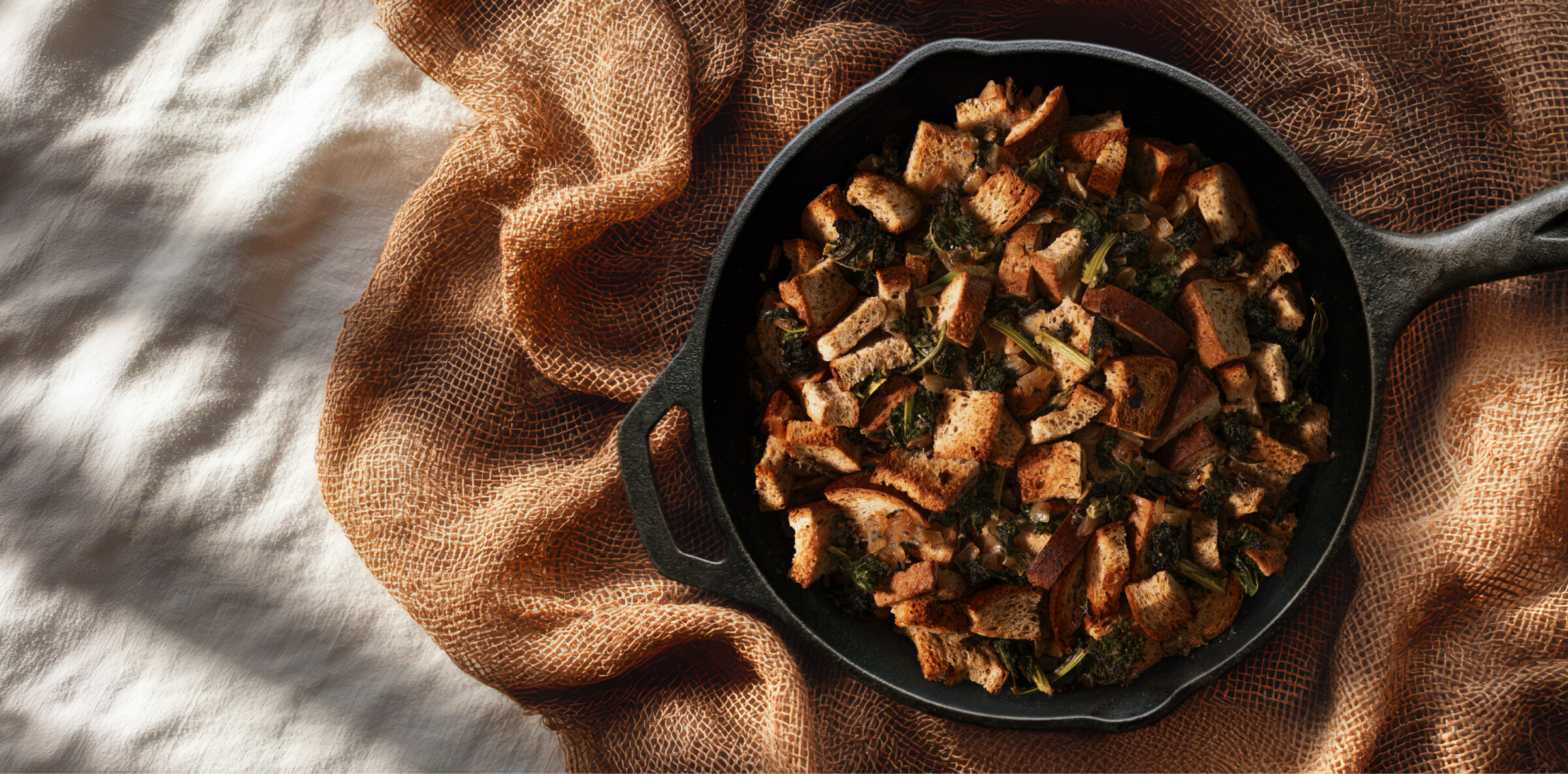
Friends, we’ve got some serious fibre in this loaf!
Ever wondered how Carbonaut manages to pack so much fibre into a slice of bread while keeping the net carbs so low?
Spoiler alert: It’s not rocket science. But there is some pretty clever ingredient innovation behind every loaf.
At Carbonaut, we believe you shouldn’t have to choose between the bread you love and the nutritional numbers you’re looking for. That’s why we’ve taken a different approach to baking, bringing together carefully selected ingredients that help us deliver on both.
From resistant starches to bamboo fibre, psyllium husk and flax meal, these ingredients do more than simply fill out a recipe. Each plays a unique role in helping us create the high-fibre, low-net-carb bread that makes Carbonaut, well, Carbonaut.
Ready to meet some of the ingredients behind the magic? Let’s take a closer look.
Resistant Starches: The Fibre Powerhouses Behind the Loaf
Let’s start with one of the biggest contributors to our impressive fibre numbers: resistant starches!
Unlike traditional starches that are broken down and absorbed in the small intestine, resistant starches resist digestion and pass through largely intact, behaving more like dietary fibre.
That makes them a pretty important part of our ingredient lineup! By incorporating carefully selected resistant starches into our recipes, we’re able to deliver substantial amounts of dietary fibre while keeping digestible carbohydrates low. Now that’s some clever ingredient innovation!
Bamboo Fibre: A Little Ingredient with a Big Role
Bamboo fibre is a concentrated source of dietary fibre, primarily insoluble fibre. In a bread formulation, it helps increase the fibre content without sending digestible carbohydrates into orbit. That makes it a stellar ingredient when we’re creating bread with a nutritional profile that’s anything but ordinary.
It’s one part of the ingredient combination that helps us keep fibre high and net carbs low while still making room for the sandwiches, toast and everyday meals you love.
Psyllium Husk: Bringing It All Together
Psyllium husk is a fibre powerhouse with a pretty impressive trick up its sleeve! Packed with soluble fibre, it forms a gel-like texture when mixed with water, helping hold everything together and lock in moisture.
That means psyllium isn’t just helping us reach those stellar fibre numbers. It also helps create structure and retain moisture, two qualities that are especially valuable when baking up our unique low net carb loaves. Because when it comes to great bread, there’s more to the magic than just the numbers on the Nutrition Facts table!
Flax Meal: Small Seed, Mighty Contribution
Don’t underestimate the power of a tiny seed! Flax meal may be small, but it brings plenty to the table. Made from ground flaxseed, it’s a source of dietary fibre and plant-based omega-3 fatty acids, adding a little extra nutritional star power to every bite.
But its talents don’t stop there! Flax meal also helps bind water during baking, making it another valuable ingredient in our low net carb creations. It’s all part of how we bring together ingredients that work hard behind the scenes, so you can enjoy the bread you love with nutritional numbers worth celebrating.
The Magic Behind the Numbers
So, what happens when all these hardworking ingredients come together? Some pretty impressive nutritional numbers!
Across the Carbonaut lineup, we use different combinations of fibre-rich ingredients to help deliver the taste, texture and nutrition you love.
Take our Original Wheat Bread, for example. With 12 g of fibre, just 2 g of net carbs and 7 g of protein per slice, it’s proof that a little ingredient innovation can go a long way.
But it’s not just about the numbers on the nutrition label. It’s about creating bread that tastes great, satisfies and lets you enjoy more of what you love.
Because at Carbonaut, we believe the bread you love should come with numbers you can feel good about.
A Little Fibre Goes a Long Way
All those impressive fibre numbers aren’t just for show! Beyond the Nutrition Facts table, dietary fibre has an important role to play in supporting digestive health and regularity. Certain types of fibre can also help you feel fuller for longer and support healthy cholesterol levels.1 2Research continues to explore how fibre contributes to gut health, blood sugar management and overall metabolic health.3
The best part? Getting more fibre into your day doesn’t have to be a mission to Mars. With Carbonaut, your favorite sandwiches, morning toast and everyday meals can all be part of your fibre-friendly routine.
Just remember, when you’re boosting your fibre intake, take it slow and stay hydrated to keep your tummy happy. After all, even the best adventures are better when you’re feeling good!
- Zeng, H., Lazarova, D. L., & Bordonaro, M. (2014). Mechanisms linking dietary fibre, gut microbiota and colon cancer prevention. World journal of gastrointestinal oncology, 6(2), 41–51. https://doi.org/10.4251/wjgo.v6.i2.41 ↩︎
- Akhlaghi M. (2024). The role of dietary fibres in regulating appetite, an overview of mechanisms and weight consequences. Critical reviews in food science and nutrition, 64(10), 3139–3150. https://doi.org/10.1080/10408398.2022.2130160 ↩︎
- Alahmari L. A. (2024). Dietary fibre influence on overall health, with an emphasis on CVD, diabetes, obesity, colon cancer, and inflammation. Frontiers in nutrition, 11, 1510564. https://doi.org/10.3389/fnut.2024.1510564 ↩︎
Explore our collection of delicious low carb recipes and discover more ways to fall into fiber.
For more low carb inspiration, sign up for our monthly newsletter at the bottom of this page and follow us on Instagram and Facebook.


